July 2, 2026
Septic system maintenance is crucial for homeowners relying on its functionality. Proper preparation for a professional septic pumping ensures efficiency and effectiveness. This guide outlines steps to thoroughly prepare for your septic service to maximize benefits, reduce costs, and avoid potential mishaps. Regular maintenance plays a key role in preventing failures that could lead to environmental and health hazards. By preparing adequately, you set the stage for a smooth service process and extend the life of your septic system. Organizing your property pays off significantly when the service truck arrives. A well-prepared homeowner helps the service crew complete their work safely, ensuring that your home wastewater system continues to run smoothly without any sudden or inconvenient disruptions.
Understanding Your Home Septic Infrastructure
Septic systems vary widely, and identifying the type of system you have is crucial. Conventional systems involve a septic tank and drain field, while alternative systems require more specialized knowledge. Knowing your system type helps you understand how it functions and what specific maintenance it might need. Understanding the capacity and age of your septic system is fundamental for anticipating its needs. Larger households might have systems with greater capacity, but they also experience faster accumulation of waste. The amount of daily use, number of household members, and types of waste input all affect the system's lifespan. Knowing when to schedule a septic pumping depends heavily on these unique household operational factors. According to the EPA's New Homebuyer's Guide to Septic Systems, homeowners should arrange for a professional assessment of their system at least once every three to five years. Reviewing the maintenance records provides insight into its history, helping identify patterns so recurring issues are addressed early. Keeping detailed logs is beneficial for future servicing and helps maintain property values if you ever decide to sell your residence.
Communicating With Your Chosen Service Provider
Reaching out to your septic service provider well in advance is essential in ensuring that appointments fit your schedule. Early contact also confirms availability, allowing you to plan other home activities around their visit. Consider peak service times to avoid unavailability. Clarifying service expectations with your provider is a proactive approach to effective maintenance. Discuss the scope of services in detail to identify any areas of concern. Understanding each component of the service helps eliminate ambiguity about costs and outcomes. A comprehensive discussion allows the provider to tailor their service to your specific system needs. A precise cost estimate prevents unexpected charges or financial misunderstandings. Request a detailed breakdown of potential charges, including labor and equipment use. Discussing the exact cost of a septic pumping beforehand helps homeowners budget effectively without compromising other household priorities. Financial transparency is integral to a strong customer-provider relationship that values clarity, consistency, and professional execution.
Preparing Your Property For The Technicians
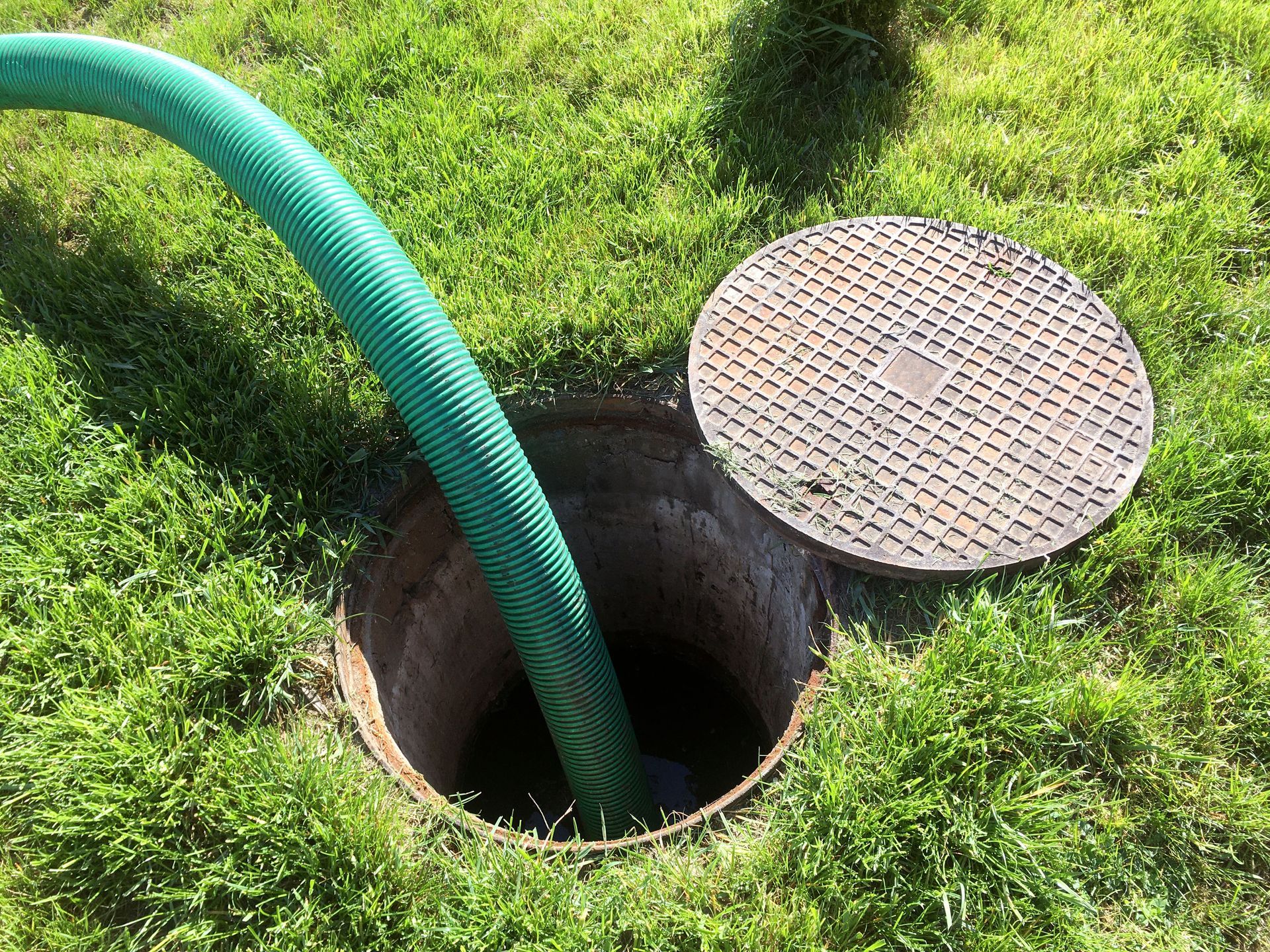
Knowing the exact location of your septic tank eliminates service delays and missteps. Time can be minimized by having clear access points and understanding the tank's positioning relative to your property. Misidentifying the tank's position can lead to unnecessary property disruptions or increased labor costs. Different systems require different excavation procedures; therefore, identifying the area prior to the procedure simplifies the process. Ensuring unobstructed access to your septic tank site facilitates smooth service execution. Remove clutter or obstacles such as garden decor, accumulated leaves, or parked vehicles. Accessible entry points prevent damage to your landscape and prevent tool mishaps. Consider service provider space requirements for trucks or additional equipment. Clearing a path to the area before the septic pumping starts is a fantastic way to support the technicians. Using visible markers or flags to denote the tank lid and surrounding areas enhances safety and navigability. Markers help orient the service team efficiently, reducing unnecessary excavation. Proper marking stands as a simple yet effective preparation measure that significantly aids the arrival team.
Managing The Day Of Your Appointment
Meeting your technician with confidence establishes an atmosphere of professionalism and cooperation. It is beneficial to introduce yourself and briefly review the planned service procedure. Engage with the technician to explore your concerns or potential focal points. Sharing your knowledge can assure alignment on both ends. A welcoming approach contributes positively to service satisfaction. Before service commences, provide the technician with helpful information about recent problems or maintenance notes. This transparency aids quick diagnosis of potential issues and optimizes service. Highlighting previous repairs or concerns can inform better service decisions. A detailed exchange of information from both parties ensures comprehensive service tailored to your needs. Although homeowners should maintain a respectful distance during operations, observing the process can be educational. Seeing the service carried out provides a firmer grasp of system functions. Monitoring the septic pumping from a safe distance can help homeowners gain valuable insights for future maintenance efforts. Avoid interference, allowing the trained professionals to execute their tasks smoothly and efficiently without any unnecessary delays.
Taking Action After Your Service Concludes
After the service, reviewing the technician's report helps document system condition and completed procedures. Such reports are crucial for future service planning and tracking system health over time. Scrutinize any noted issues and major repairs for their impact on overall system function. Documenting these reports supports a seamless continuity of septic system care. Septic system maintenance is an ongoing process, making scheduling the next service a vital step. Agree with the technician on a suitable timeline based on system recommendations and usage patterns. Aligning on future dates promotes proactive maintenance, reducing the risk of unexpected issues. Setting a firm date for your next septic pumping keeps your home on track and solidifies consistent care that prevents costly emergencies. Post-service, adopt healthier septic practices to sustain optimal system performance. Implement changes in waste disposal habits, reducing non-biodegradable and harsh chemical contents. Even distribution of water usage and being mindful of solid waste contributions can ease system pressure.
Avoiding Common System Maintenance Errors
Neglecting regular maintenance of septic systems can result in expensive repairs and health hazards. Overlooking periodic inspections increases vulnerability to failures from accumulated untreated waste. Preventive maintenance is a cost-effective strategy for ensuring long-term system functionality. Neglecting a routine septic pumping can lead to major household disasters and substantial repair costs. Be conscious of chemical substances that may disrupt the biological balance in your septic system. Harsh cleaning agents, non-organic additives, or paint can kill beneficial bacteria essential to breakdown waste. Shift to environmentally friendly alternatives and consult professionals about safe usage. The health of your septic ecosystem is vital for its continued efficiency.
Prevent unnecessary strain on your septic system by monitoring water usage and solid input. Installation of low-flow fixtures can mitigate excessive wastewater production. Be selective about materials entering the septic system to avoid clogs or overflows. Balance household activities to reduce peak consumption times, maintaining moderate flow rates. Overloading challenges system operations, leading to accelerated wear or breakdowns.
With the right knowledge, communication, and property setup, homeowners can ensure that the service is conducted smoothly and successfully. Regular maintenance and awareness of potential issues lead to fewer complications and a healthier living environment. Adopt these practices for a hassle-free septic service experience. Embracing proactive engagement and informed decision-making are hallmarks of responsible septic system ownership. Consistently caring for your infrastructure will avoid sudden problems, ensure high performance, and extend the longevity of your setup for decades. Prioritizing a regular septic pumping protects your investment and ensures peace of mind for you and your family, so when you need dependable assistance, contact Septic Dynamics LLC.