May 1, 2026
Spring is welcomed as a time of renewal, bringing warmer weather to our neighborhoods. However, this season also ushers in precipitation that alters the landscape around your property. When torrential downpours saturate the soil, the excess moisture fundamentally changes how water interacts with the infrastructure buried underground. Homeowners rely on their wastewater management systems to operate silently and efficiently throughout the year, but the sudden influx of stormwater creates unique challenges that cannot be ignored. The ground can only absorb so much liquid before it reaches capacity, leaving nowhere for additional runoff to go. As the earth becomes heavily waterlogged, the delicate balance required for proper waste filtration is disrupted. Understanding the relationship between seasonal weather patterns and underground utilities is essential for maintaining a functional and sanitary home environment. By recognizing how intense storms affect soil conditions on your property, you can better prepare for the inevitable shift in seasonal weather and keep everything running smoothly.
Understanding Ground Saturation
When relentless rain falls, the soil surrounding your property acts like a giant sponge. Eventually, it cannot hold another drop. This state of extreme saturation creates a heavy barrier against any liquid trying to exit your underground wastewater system. The drain field relies on porous, relatively dry soil to filter and disperse treated effluent safely back into the earth. If the surrounding soil is entirely flooded from torrential storms, the effluent simply has nowhere to go. It backs up, forcing the entire system to work under immense pressure. During these periods, homeowners might assume that a routine septic pumping will immediately solve the problem of sluggish drains. However, removing the contents of the underground tank while the ground remains completely flooded can sometimes lead to further complications, as the external pressure from the waterlogged earth pushes against the empty structure. Diverting surface runoff away from the disposal area is an effective strategy to combat this seasonal saturation and protect your infrastructure.
Recognizing Drain Field Flooding
A flooded drain field is one of the most visible indicators that your wastewater management system is struggling against the elements. You might notice large puddles forming in specific areas of your yard, exceptionally lush patches of grass, or unpleasant odors lingering in the humid air. These signs suggest that effluent is rising to the surface instead of percolating downward through the soil layers. When you witness these red flags, it becomes clear that the weather has entirely compromised the natural filtration process. Homeowners experiencing these specific issues must be incredibly cautious about their daily water usage inside the house. Every time a faucet is turned on, a shower is taken, or a load of laundry is washed, more liquid is sent into an already overwhelmed environment. Minimizing indoor water consumption helps reduce the immense burden on the flooded field. If the situation persists, reaching out to a professional to evaluate whether septic pumping is viable becomes a priority.
Dealing With Tank Backups
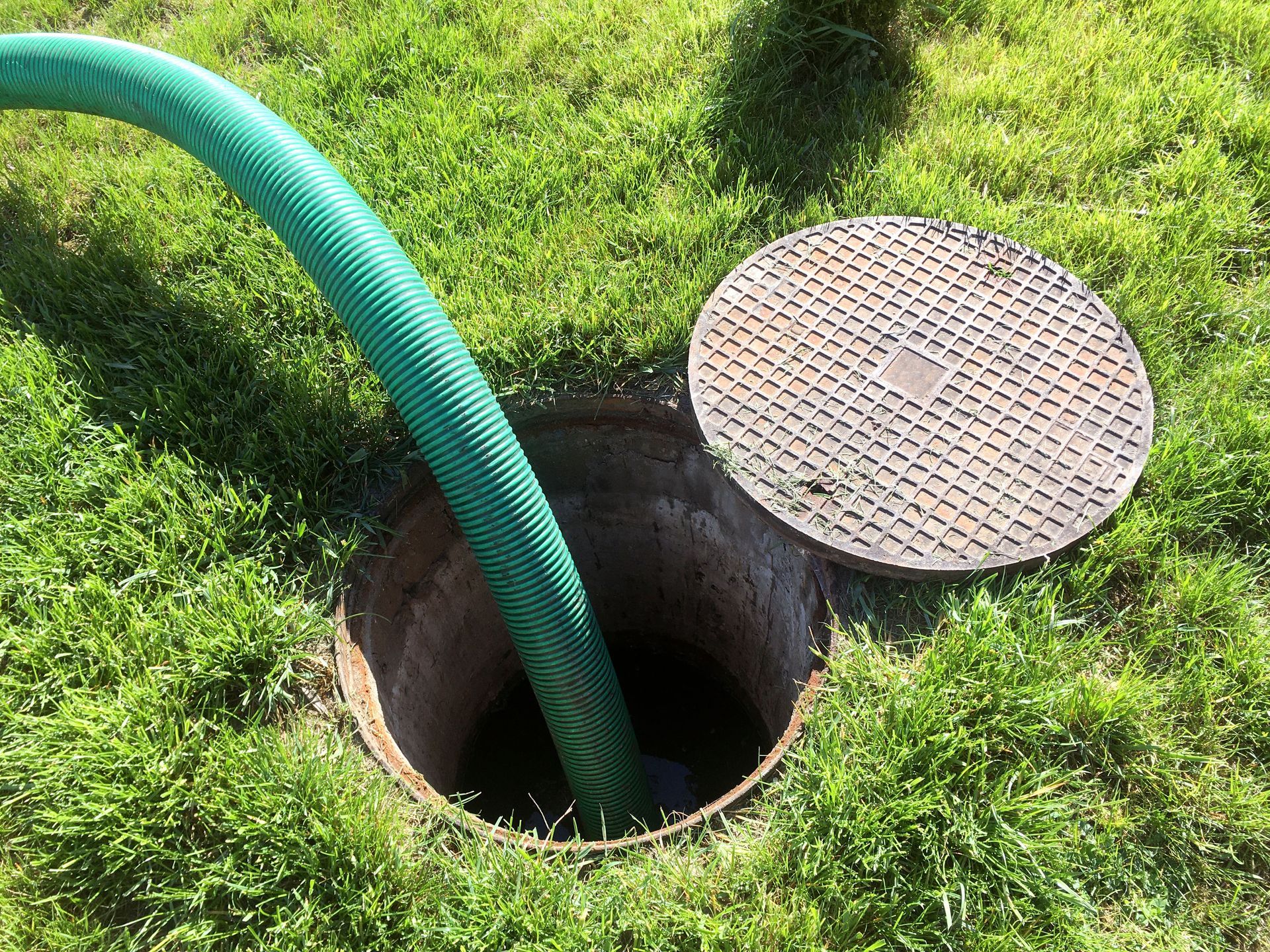
One of the most stressful experiences a homeowner can face during the rainy season is a backup into the house. When the drain field is submerged and cannot accept any more effluent, the wastewater inevitably flows backward along the path of least resistance, which is typically right back up the main sewer line. This situation manifests as slow-draining sinks, gurgling toilets, or in severe cases, raw sewage entering the lower levels of the home through floor drains. To mitigate this disastrous scenario, it is critical to address any structural vulnerabilities in the system before the stormy season begins. Making sure that inspection ports and manhole covers are tightly sealed prevents extra surface water from flowing directly into the main chamber. The sudden addition of extra rainwater into the underground container accelerates the need for intervention. While an emergency septic pumping might provide temporary relief by emptying the main vessel, maintaining watertight seals is your best defense against interior backups.
Preventing Excess Water Entry
Proactive landscaping and smart property management play massive roles in defending your underground utilities from severe storms. The primary goal is to direct all natural runoff away from the disposal field and the main underground chamber. Gutters and downspouts should be routed so that roof runoff is discharged far away from these sensitive zones. Additionally, sump pumps must never be plumbed to discharge into your household wastewater system, as the sheer volume of clear water they move will instantly overwhelm the biological processes and storage capacity. Land grading can also be adjusted to ensure the yard slopes gently away from the treatment area, preventing puddles from pooling directly overhead. By carefully managing where surface water flows, you drastically reduce the environmental stress placed on your infrastructure. If runoff is not adequately controlled, the artificial flooding of the system mimics the conditions of extreme overuse, thereby necessitating a septic pumping far sooner than you might have planned originally.
Scheduling Proper Maintenance
Establishing a consistent maintenance routine is the cornerstone of responsible homeownership, especially when navigating volatile seasonal weather. Regular inspections allow professionals to monitor the buildup of solid materials and determine the optimal schedule for waste removal. Ignoring this essential chore leaves the system highly vulnerable when heavy storms roll through, as an overly full tank has zero buffer capacity to handle extra stress. According to BobVila.com, for a family of four with a 1,000-gallon septic tank, it’s recommended that it be pumped every 2.6 years. Adhering to this baseline ensures that the biological balance remains healthy and that solid matter does not migrate into the disposal field. When a homeowner stays on top of their routine septic pumping, the entire setup operates with maximum efficiency and resilience. Professionals can also check for minor cracks, compromised baffles, or degrading lids during these scheduled visits. Catching these small deficiencies early prevents them from escalating into catastrophic failures when torrential downpours strike.
Protecting Your System Long Term
Beyond managing water flow and adhering to maintenance schedules, long-term protection requires a mindful approach to what goes down your drains every single day. The underground ecosystem relies on specific bacteria to break down organic waste, and harsh chemicals, antibacterial soaps, or massive quantities of household cleaners can decimate this fragile environment. Furthermore, flushing non-biodegradable items like paper towels, feminine hygiene products, or flushable wipes will quickly create stubborn clogs and dramatically increase the volume of solid waste. Cooking grease and oils are particularly damaging, as they solidify and coat the internal components, creating a thick scum layer that is difficult to break down. By educating everyone in the household about proper disposal habits, you significantly extend the lifespan of your wastewater management setup. A well-cared-for system is far more capable of withstanding the hydraulic pressure brought on by seasonal storms. Pairing excellent daily habits with a timely septic pumping creates a robust defense that will serve your home faithfully.
Navigating the challenges of heavy seasonal rains requires foresight, proper maintenance, and an understanding of how your property manages water. By keeping surface runoff diverted, practicing mindful water usage indoors, and adhering to strict maintenance schedules, you can protect your property from disastrous backups. Staying proactive ensures that your wastewater infrastructure remains strong, efficient, and ready to handle whatever the stormy season brings. If you are ready for your next septic pumping, contact us at Septic Dynamics LLC today. We will help you keep your entire system running smoothly and safely all year round.